Exterior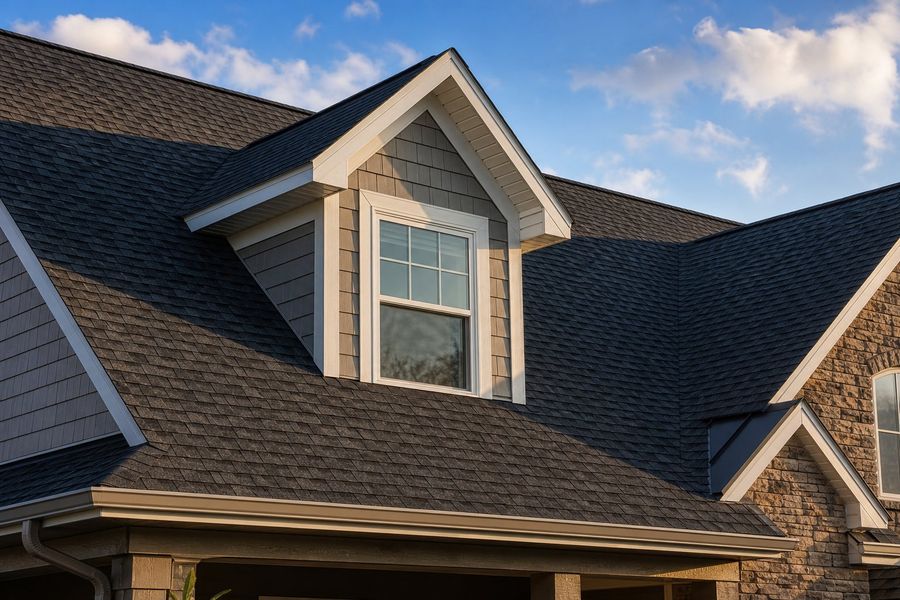
Roofing Upgrade
Roof repairs, shingle replacement and ventilation improvements that protect everything else you invest in below them.
- Shingle and flashing replacement
- Attic ventilation and insulation
- Gutter and drainage improvements
Energy & Roofing
Roof and solar are usually decided in the wrong order. Here is how to sequence both upgrades so your new panels never have to come off the roof they were fitted to.
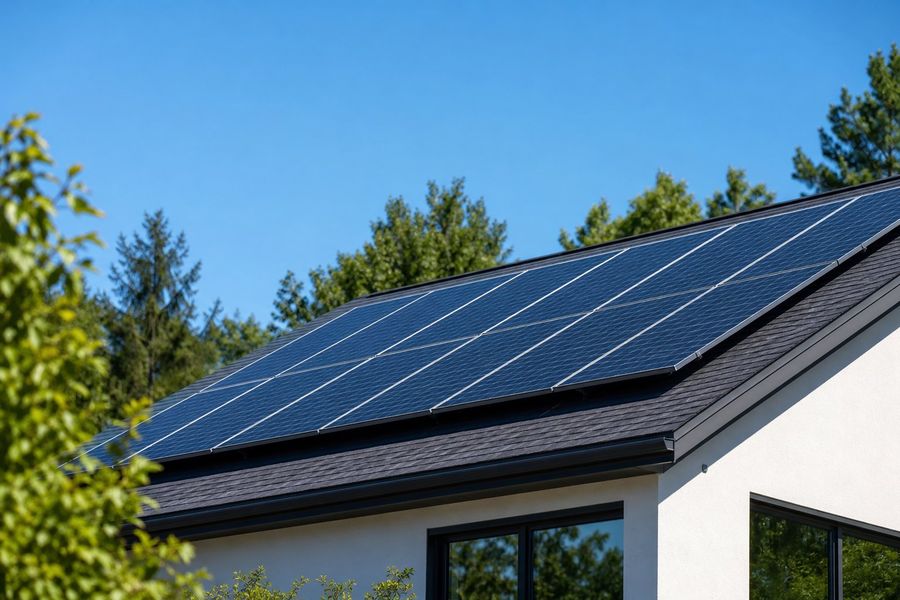
Roof and solar are two of the largest improvements a homeowner can make, and they are usually decided in the wrong order. Panels outlive most roofs, so the sequence you choose affects both the cost and the lifespan of the upgrade. Here is how we plan the two together.
Solar panels are mounted on rails fixed to the roof structure and are expected to serve for many years. If the roof covering underneath is nearing the end of its life, the panels will have to be removed and refitted when the roof is finally replaced. That means paying for the same part of the job twice — and accepting the risk that a leaking roof goes unnoticed beneath the array.
The practical rule is straightforward: the roof always comes first. Any array installed after that sits on a surface you know the condition of.
An assessment is not just a question of how old the roof is. What matters is what we find when we look closely:
Where a roof is sound but ageing, there are sensible middle paths. We can replace only the slopes that need it, improve flashing and ventilation, and reserve the sunniest, most structurally suitable slope for the array. If the roof is due for replacement within a few years, it is usually worth doing the roof now and returning to solar afterwards rather than rushing both.
The best solar project is the one you never have to think about again. That usually means a modest, well-placed array on a roof you have already put right.
When roof replacement and solar are planned together, the work becomes easier and tidier. Mounting points can be prepared and sealed during the roofing stage, cable routes can be planned through the building rather than surface-mounted afterwards, and the roof warranty can be written with the array in mind. One schedule also means one set of scaffolding and one clean-up instead of two.
Roof and solar work involve documentation: warranties, installation records, and often guidance on financing and available incentives. Asking about this at the planning stage keeps the project simple. Our team can explain the options and keep the documents together in one folder for you.
Treat roof and solar as one project with two stages, not two separate purchases. Assess the roof honestly, correct what needs correcting, and design the array around the roof you will have for the next couple of decades. Done in that order, the upgrade protects the home and quietly reduces what it costs to run.
Services Mentioned In This Article
If any of these look like the next job on your list, request the service and we will be in touch to arrange a walkthrough.
Roof repairs, shingle replacement and ventilation improvements that protect everything else you invest in below them.
Rooftop solar planned alongside your roof, wiring and energy habits so it performs quietly and looks tidy from the street.

Plain-English guidance on renovation financing and workmanship warranty documents, so you know what is covered before the work begins.
Keep Reading
Newsletter
Occasional studio notes on materials, safety checks, energy upgrades and planning your budget — written for homeowners, never salesy. Manage it any time from our newsletter pages.
Already subscribed and need a change? The unsubscribe page also lets you simply reduce how often you hear from us.